Occupational Health, Safety, and Well-being at Work


Supporting the SDGs Goals


Goals and Performance Highlights
Stakeholders Directly Impacted
Employees
Customers
Government agencies
Suppliers and Business Partners

Commitment, Challenges, and Opportunities
Occupational health and safety management remains one of the key challenges for the retail business, which involves a large workforce and a wide variety of work environments. Work-related risks, accidents, and potentially hazardous conditions may affect worker safety, cause property damage, and disrupt business continuity.
The Company is therefore committed to systematically strengthening safety measures and promoting employee well-being through ongoing assessments of safety and well-being risks, the provision of appropriate working environments, preventive training, and the cultivation of a safety culture in which everyone across the value chain has a role to play. These approaches not only help reduce the likelihood of accidents, occupational illnesses, company property losses, and operational disruptions, but also enhance stakeholder trust, improve operational efficiency, create a safer workplace, and support employee well-being, all of which form an important foundation for stable and sustainable growth.
Management Approach and Value Creation
Occupational Health and Safety Governance
MR. D.I.Y. places importance on occupational health and safety (OHS) management and has therefore established a governance structure to ensure effective safety management, as follows:
Corporate Governance and Sustainability Committee
Oversees OHS policies and strategic direction to ensure alignment with the Company’s organizational goals.
Audit and Risk Management Committee
Monitors safety-related risks on a quarterly basis under the Enterprise Risk Management (ERM) framework.
Safety Committee
The Company has appointed an Occupational Safety, Health and Working Environment Committee comprising representatives from both management and employees. Its key responsibilities include:
- Establishing practices to prevent and reduce workplace accidents, while creating a safe and equitable workplace based on respect for human rights
- Assessing and controlling risks, as well as continuously monitoring, reporting, and reviewing preventive measures
- Continuously improving safety measures
- Bringing concerns and feedback from employees at all levels to management for consultation
- Holding regular follow-up meetings at least once a month
- Monitoring progress and reporting safety and working environment performance to management
Occupational Safety, Health and Working Environment Policy
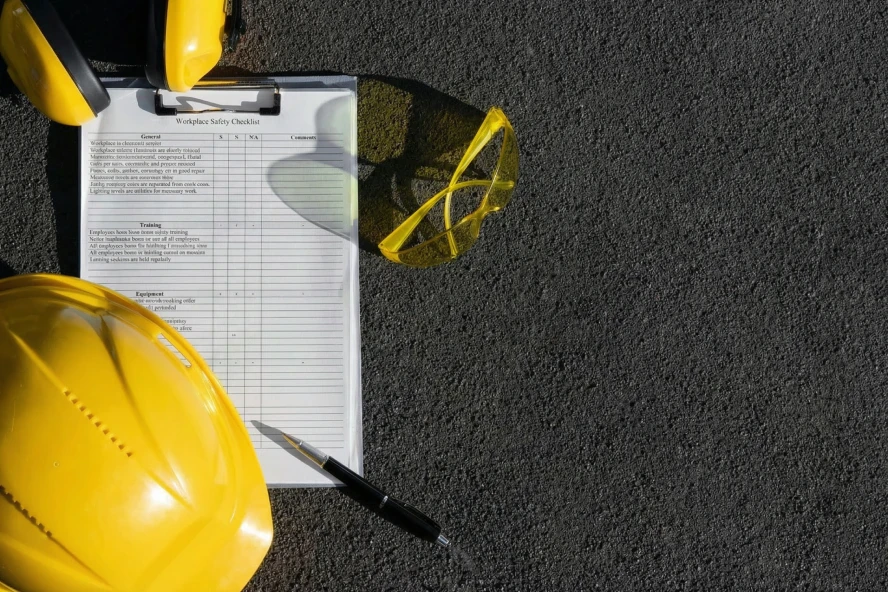
The Company places importance on employee safety management and has established a Safety, Occupational Health and Working Environment Policy as a guideline for protecting employees at all levels, preventing workplace accidents, building a safety culture, and driving continuous implementation. The key principles are as follows:

Strictly comply with laws and international standards on occupational health and safety, while providing a suitable working environment and standard personal protective equipment (PPE) for employees

Systematically identify hazards, assess risks, and establish preventive measures for workplace accidents, with the aim of achieving “Zero Harm” across all work areas

Promote training and safety awareness as an integral part of daily work, recognizing safety as a shared responsibility of employees at all levels to protect themselves and their colleagues

Regularly monitor, inspect, and review the safety policy in order to continuously improve the management system and ensure its effectiveness in line with changing circumstances
Occupational Health and Safety Management Approach
The Company systematically manages occupational health and safety (OHS) by fostering a safety culture at every level of the organization and emphasizing prevention as a key principle.
The Company assigns safety officers at all levels to conduct Job Safety Analysis (JSA) in order to monitor potential accidents. When incidents occur, Root Cause Analysis is carried out, and the investigation findings, together with recommendations and feedback from the Safety Committee, are used to improve operational standards.
In 2025, the Company continuously assessed safety risks involving employees and contractors and identified activities that required close monitoring. The Company then analyzed the causes and established appropriate control measures, as illustrated below:
| Occupational Hazards (incidents) | Injuries and illnesses | Causes | Preventive Measures |
|---|---|---|---|
| Use of ladders while arranging products or loading goods |
|
|
|
| Forklift operations in the distribution center area |
|
|
|
Safety Management for Suppliers and Contractors
The Company places importance on occupational health and safety management throughout its supply chain. In 2025, the Company assessed suppliers through a Self-Assessment Questionnaire (SAQ), together with on-site assessments at their premises, covering occupational health and safety practices.
For contractors working on Company premises, the Company has established clear safety requirements, including appropriate attire and the use of personal protective equipment (PPE) in line with the nature of the work, as well as accident prevention measures and the provision of adequate safety equipment.

In addition, the Company evaluates contractors’ OHS performance and uses the results as part of contract renewal consideration and future supplier selection. The assessment covers compliance with safety standards, the adequacy of accident prevention measures, past accident records, and previous performance results to ensure that suppliers and contractors consistently operate in accordance with the Company’s safety standards.
Performance
| Indicator | 2025 Performance | Industry Benchmark* | Target |
|---|---|---|---|
| Work-related fatalities (employees and contractors) | 0 | 0 | 0 |
| Employee LTIFR | 1.00 | 1.45 | ≤ 1.24 |
| Contractor LTIFR | 0 | Not Applicable | - |
| Percentage of employees receiving OHS training | 100% | 100% | 100% |
Note: The industry benchmark for the specialized retail sector in Thailand is based on the average workplace injury rate in the commercial sector, according to the Department of Labour Protection and Welfare, and benchmarked against disclosures by companies in the same industry through the SET ESG Data Platform (Commerce Sector) for the 2024–2025 reporting period.
| Indicator | 2024 | 2025 |
|---|---|---|
| Employee LTIFR | 1.39 | 1.00 (28% reduction) |
| Contractor LTIFR | N/A | 0 |
Note: In 2025, the Company officially began collecting safety data for contractors working on Company premises.

Promoting a Safety Culture
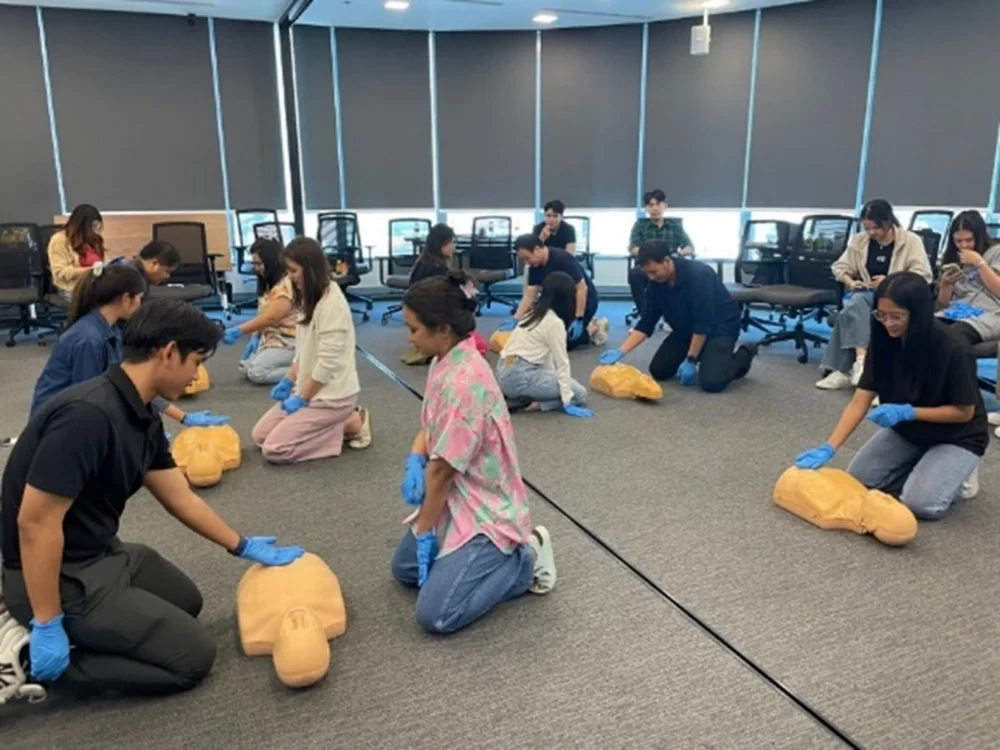
MR. D.I.Y. places importance on fostering a strong safety culture within the organization by continuously developing workers’ safety knowledge, awareness, and behavior through training programs aligned with the roles and responsibilities of each position.
The Company requires basic safety training as a mandatory course for all new employees and continues to develop specialized courses for safety officers at supervisory and management levels. In 2025, the Company recorded more than 69,000 hours of safety training in total.

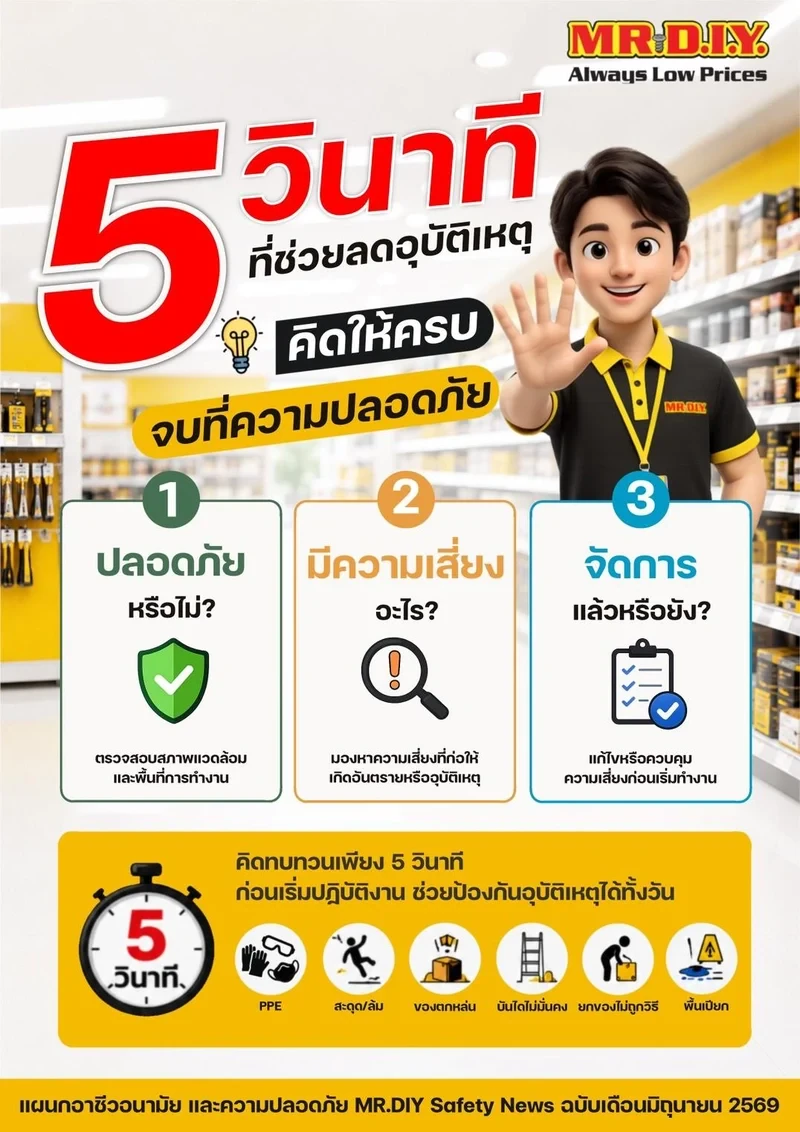
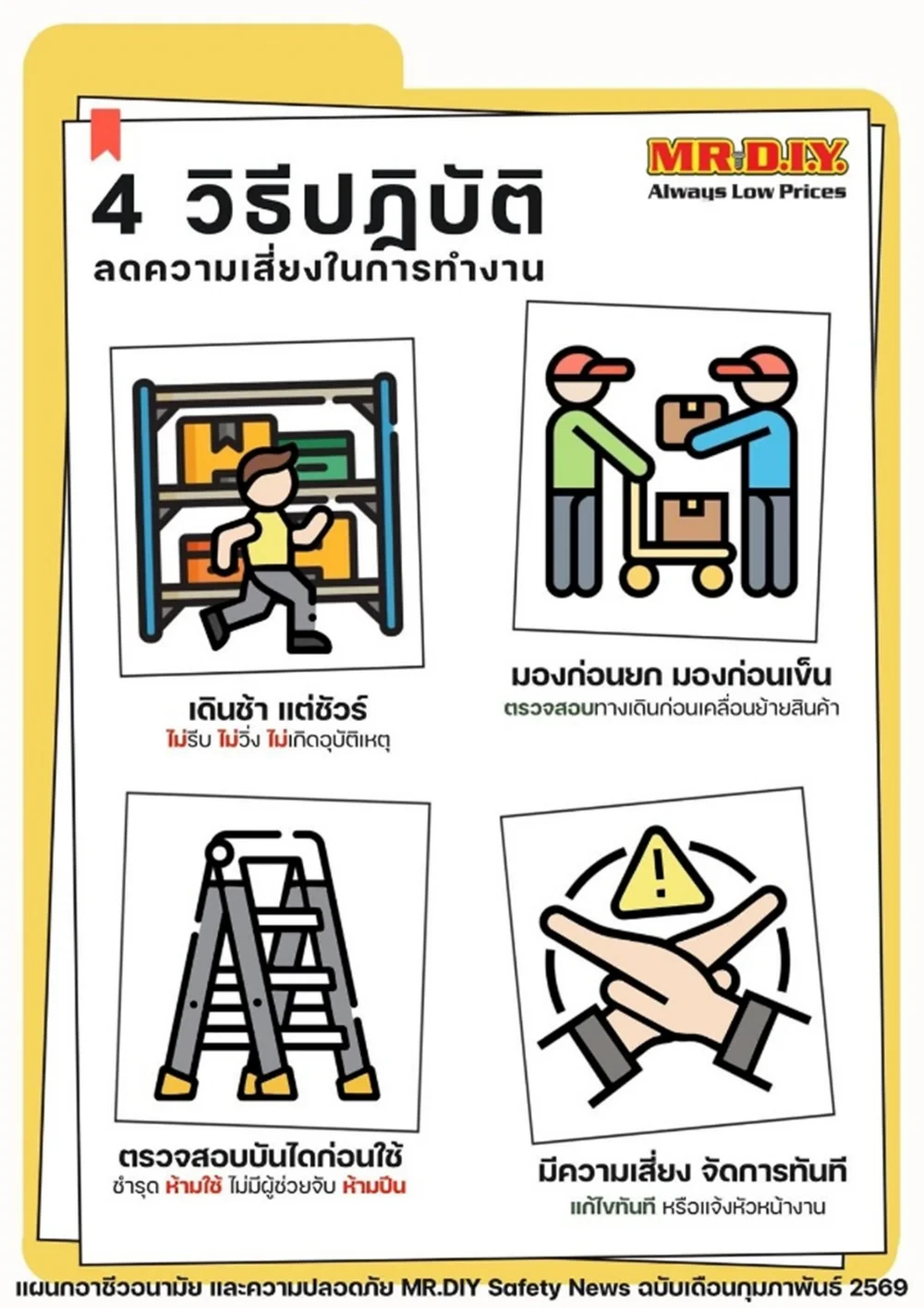
In addition, the Company promotes internal safety communication through awareness materials such as safety infographics distributed regularly every month to reinforce awareness and support consistent compliance with safety measures.