Energy and Climate Management
Supporting the SDGs Goals


Goals and Performance Highlights
- Expand solar cell installations to increase electricity generation capacity by approximately 7 megawatt-hours (MWh) by 2026
- Increase the share of electricity from renewable energy to at least 30% by 2030
- Establish a Scope 1 and Scope 2 greenhouse gas emissions database covering headquarters, distribution centers, and stores by 2026
Total electricity consumption
Share of electricity from renewable energy
Electricity intensity per unit of revenue decreased by 4.8% compared with 2024, to
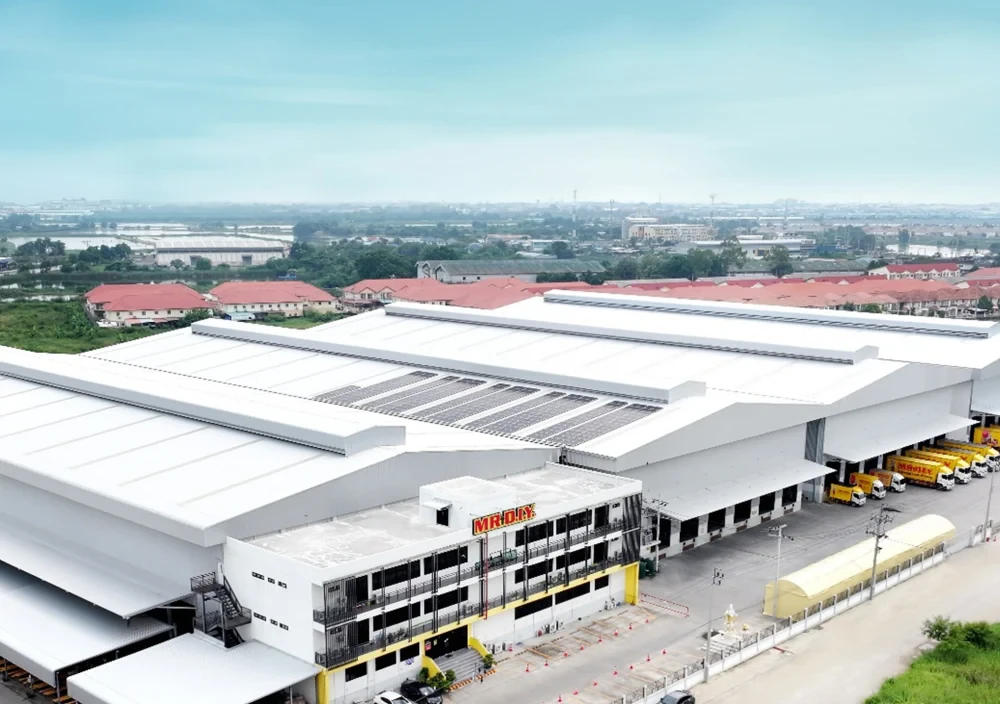
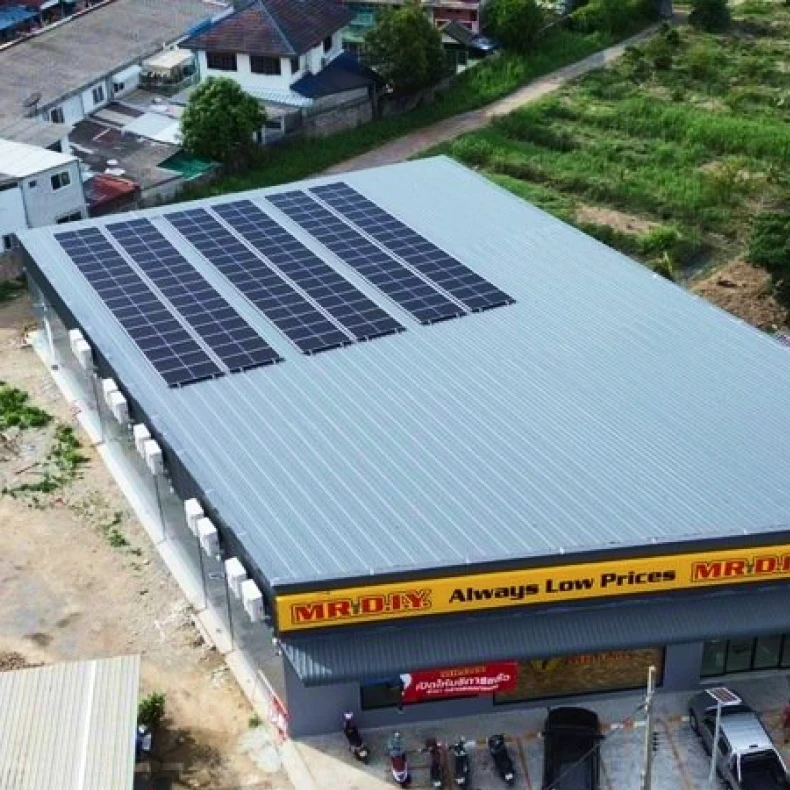
Expanded solar rooftop installations by 40 additional sites, generating
Stakeholders Directly Impacted
Government Agencies
Creditors and Financial Institutions
Shareholders

Commitment, Challenges, and Opportunities
Climate change is a significant challenge with widespread impacts on the economy, society, and the environment. Although the retail business does not involve direct manufacturing, activities across the value chain, such as transportation, distribution, and in-store operations, are all associated with energy consumption and greenhouse gas emissions. Efficient energy management and the reduction of environmental impacts are therefore among the Company’s key priorities.
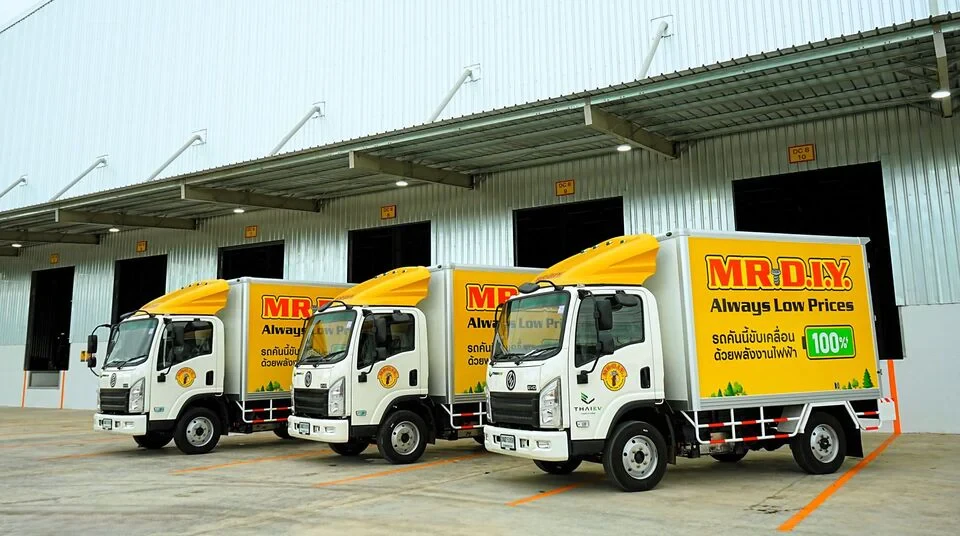
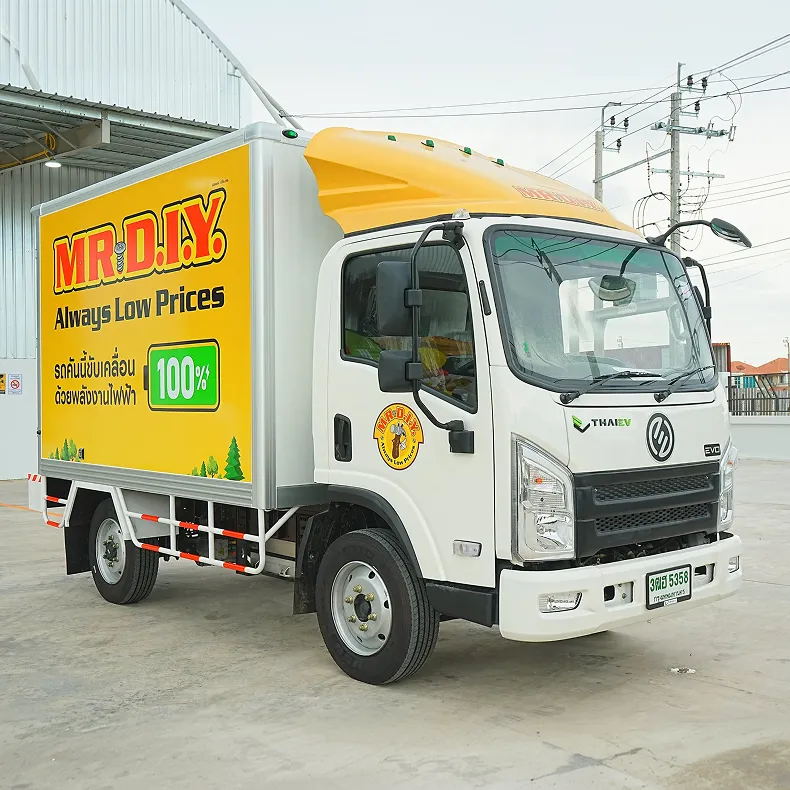
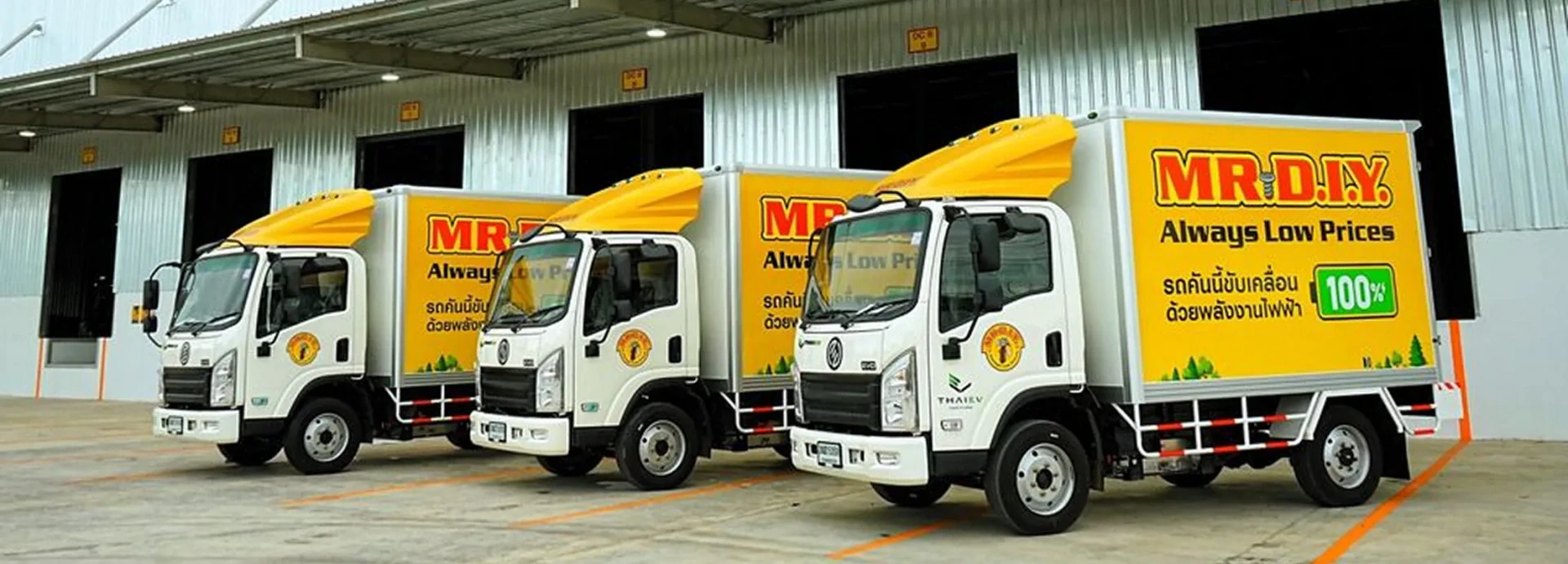
To drive the transition toward low-carbon operations, the Company is committed to improving energy efficiency while adopting appropriate innovations and technologies, including renewable energy, EV trucks, and Nature-based Solutions. These efforts support greenhouse gas emissions reduction, climate risk management, and sustainable long-term growth.
Management Approach and Value Creation
Climate Change Governance Structure
MR. D.I.Y. has established a systematic climate change governance structure, under which the Board of Directors has delegated the Corporate Governance and Sustainability Committee and the executive management to jointly oversee and manage related issues. This covers strategy setting, target setting, performance evaluation, and ongoing progress monitoring. In addition, to support these efforts, the Company has appointed a Sustainability Development Working Committee, comprising representatives from relevant functions, to support implementation across the organization. The Company also reviews and monitors performance regularly, twice a year.

Board of Directors
- Oversees the Company’s strategic direction and promotes the integration of sustainability into business operations
- Oversees material sustainability matters, including climate change

Corporate Governance and Sustainability Committee
- Connects the Company’s strategy to execution by prioritizing and integrating sustainability matters, including climate change, into the corporate governance framework
- Oversees implementation and monitors the progress of the Sustainability Development Working Team
- Reports progress and submits key sustainability matters to the Board of Directors for consideration

Sustainability Development Working Team
- Drives sustainability implementation in line with the Company’s strategy and action plans
- Encourage and manage effective environmental management practices to reduce environmental impacts, covering energy consumption and greenhouse gas emissions.
- Monitor and assess risks and opportunities arising from climate change, and promote measures to strengthen the company’s climate resilience.
Greenhouse Gas (GHG) Emissions Inventory
MR. D.I.Y. systematically prepares and assesses its Carbon Footprint for Organization (CFO) by appointing Green Style Co., Ltd. as a consultant to support the collection and verification of internal greenhouse gas emissions data, and LRQA (Thailand) Limited as an external verifier for the information. This process is conducted in accordance with the requirements of the Thailand Greenhouse Gas Management Organization (Public Organization) and supports the Company’s ongoing planning and development of greenhouse gas reduction approaches.
| Scope | 2023 | 2024 | 2025 |
|---|---|---|---|
| Scope 1 | 3,658 | 4,094 | 5,808 |
| Scope 2 | 667 | 944 | 1,405 |
| Scope 3 | - | - | - |
| Other | 260 | 282 | 312 |
| Total | 4,325 | 5,038 | 7,213 |
The reporting scope includes (1) the Head Office of the Company at WHA tower 12 th, 12A th floor, (2) the Head Office of STG at Bhiraj Tower at BITEC 14 th floor, (3) the three-storey office building (MDTT/MDKK), (4) the Central Distribution Centre, (5) the Regional Distribution Centres, (6) KM.21 Distribution Centre with plans to expand this scope to include all retail branches in the future.
The data obtained from the Company’s greenhouse gas inventory supports the Company’s ongoing planning and development of greenhouse gas reduction approaches, including energy efficiency improvements and related measures such as solar energy, electric trucks, and the long-term application of Nature-based Solutions.
Climate Risk Assessment
MR. D.I.Y. has conducted an initial climate risk assessment to identify issues that may affect its business operations, covering both physical risks and transition risks. The Company is currently further developing its assessment approach to support future planning and management.
Physical Risks from Climate Change
The Company recognizes that climate change may affect its business operations through physical risks, particularly from extreme weather events such as storms, heavy rainfall, flooding, or rising temperatures
Potential Impacts
- Impacts on stores, distribution centers, and the Company’s assets
- Disruptions to product transportation and supply chain continuity
- Impacts on operational continuity and the safety of employees and customers
Mitigation
- The Company maintains relevant insurance coverage to help mitigate potential losses from natural disasters
- Business continuity plans and emergency response measures are in place to support preparedness for severe weather events
Transition Risks from the Shift to a Low-Carbon Economy
Given the nature of the Company’s operations, which include a large number of stores, distribution centers, and logistics activities, energy use and transportation are key factors related to the Company’s greenhouse gas emissions. This may expose the Company to transition risks arising from the shift to a low-carbon economy, including regulatory changes, rising energy costs, and more stringent greenhouse gas emissions requirements.
Potential Impacts
- Higher operating costs, particularly in relation to energy and logistics
- Challenges in adapting business operations to evolving requirements and changing circumstances
- Impacts on operational efficiency and long-term competitiveness
Mitigation
- Manage distribution networks and delivery routes efficiently by applying relevant technologies, such as route tracking and planning systems
- Promote the use of alternative energy and technologies that help reduce greenhouse gas emissions, such as electric trucks and solar energy
Energy Management
MR. D.I.Y. emphasizes the importance of continuously monitoring and managing energy use, as it is a key factor in its operations across stores, distribution centers, and transportation. The company also tracks energy efficiency through electricity intensity indicators to evaluate energy consumption trends in line with business growth
In addition, the Company has implemented projects that support efficient energy use and the transition toward cleaner energy, such as LED lighting installation, the use of electric trucks, and the installation of solar power systems (Solar Cell)
Electricity Intensity
| Year | Electricity Intensity kilowatt-hours(kWh) / THB Million Revenue |
|---|---|
| 2023 | 4,556.6 |
| 2024 | 4,914.6 |
| 2025 | 4,678.7 |

Share of Renewable Energy Consumption
| Year | Renewable Energy Consumption megawatt-hours (MWh) | Share of Renewable Energy Consumption (%) |
|---|---|---|
| 2023 | 80.03 | 0.14 |
| 2024 | 330.09 | 0.41 |
| 2025 | 2,258.35 | 2.39 |
Energy Consumption by Type
| Unit | 2023 | 2024 | 2025 | |
|---|---|---|---|---|
| Total Electricity Consumption | Megawatt-hours (MWh) | 58,471.0 | 79,687.8 | 94,500.9 |
| Electricity from the Grid | Megawatt-hours (MWh) | 58,390.9 | 79,357.7 | 92,242.5 |
| Electricity from Renewable Energy | Megawatt-hours (MWh) | 80.0 | 330.1 | 2,258.4 |